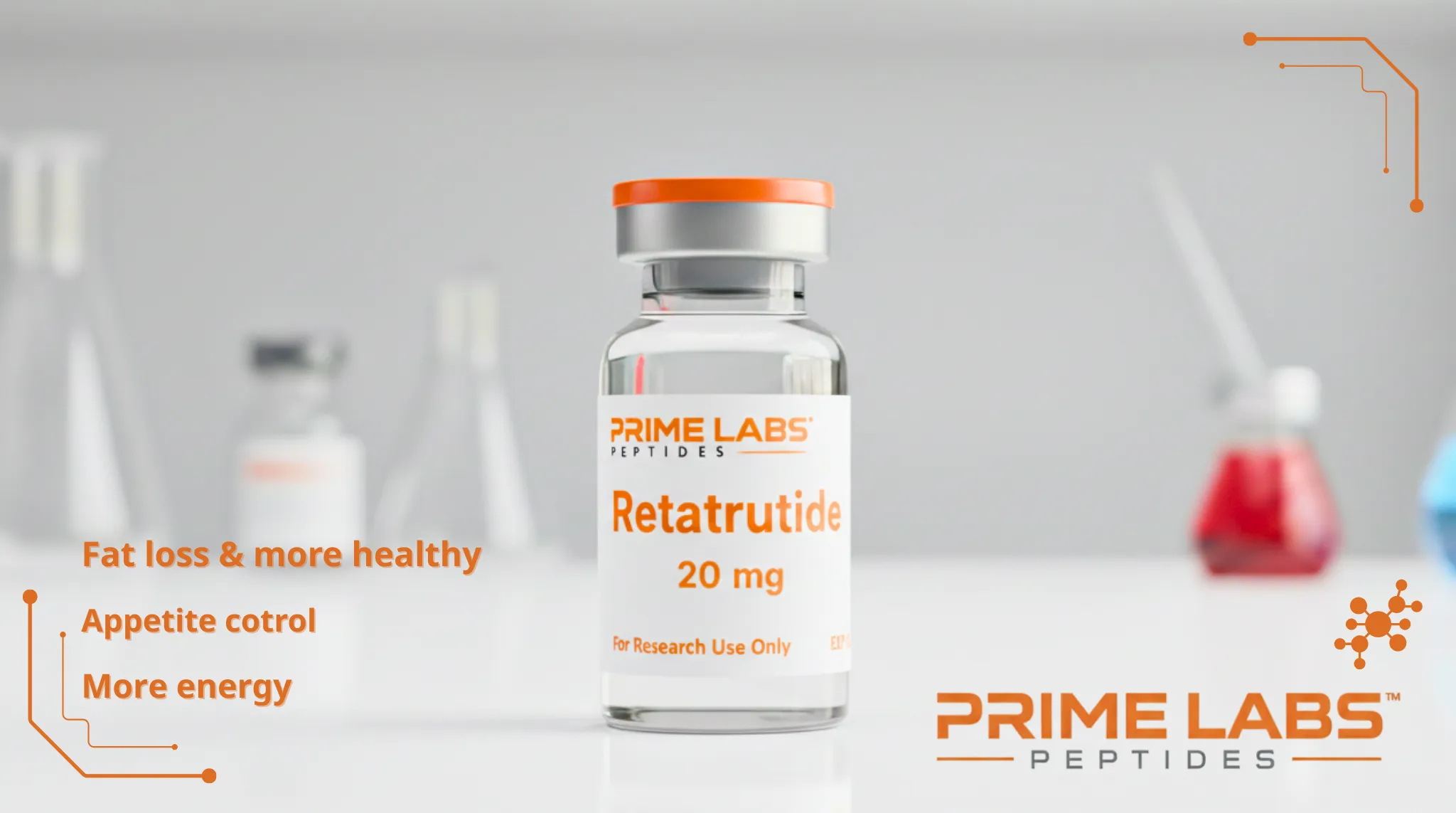
Retatrutide
An investigational peptide designed to activate GLP-1, GIP, and Glucagon receptors simultaneously — representing a new class of multi-receptor metabolic modulators.
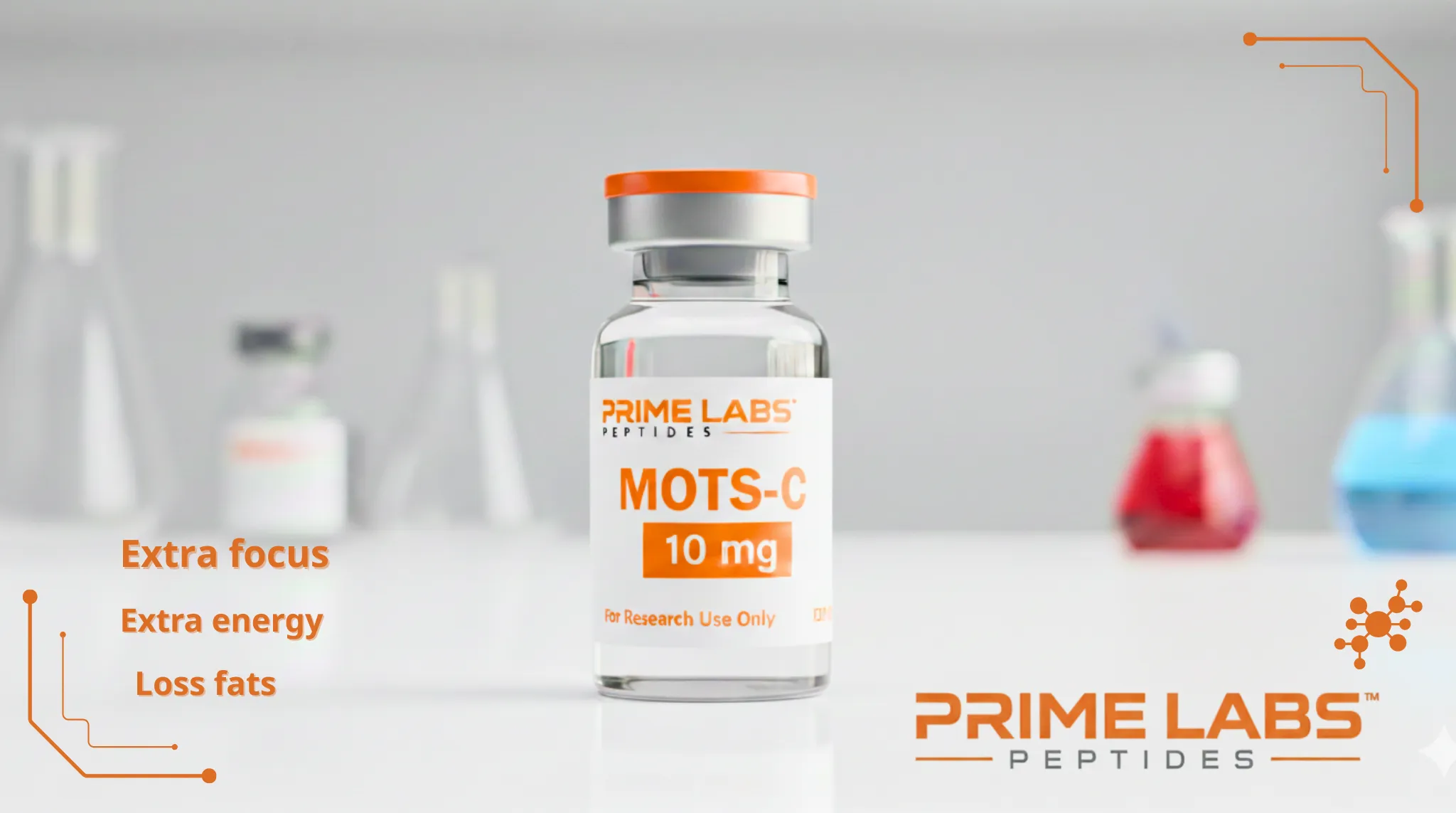
MOTS-c
A mitochondrial-encoded peptide linked to the regulation of cellular energy balance, metabolic signaling, and exercise-related metabolic adaptation.
Tesamorelin
A synthetic GHRH analog that stimulates the body's natural production and pulsatile release of growth hormone while preserving normal regulatory feedback mechanisms.
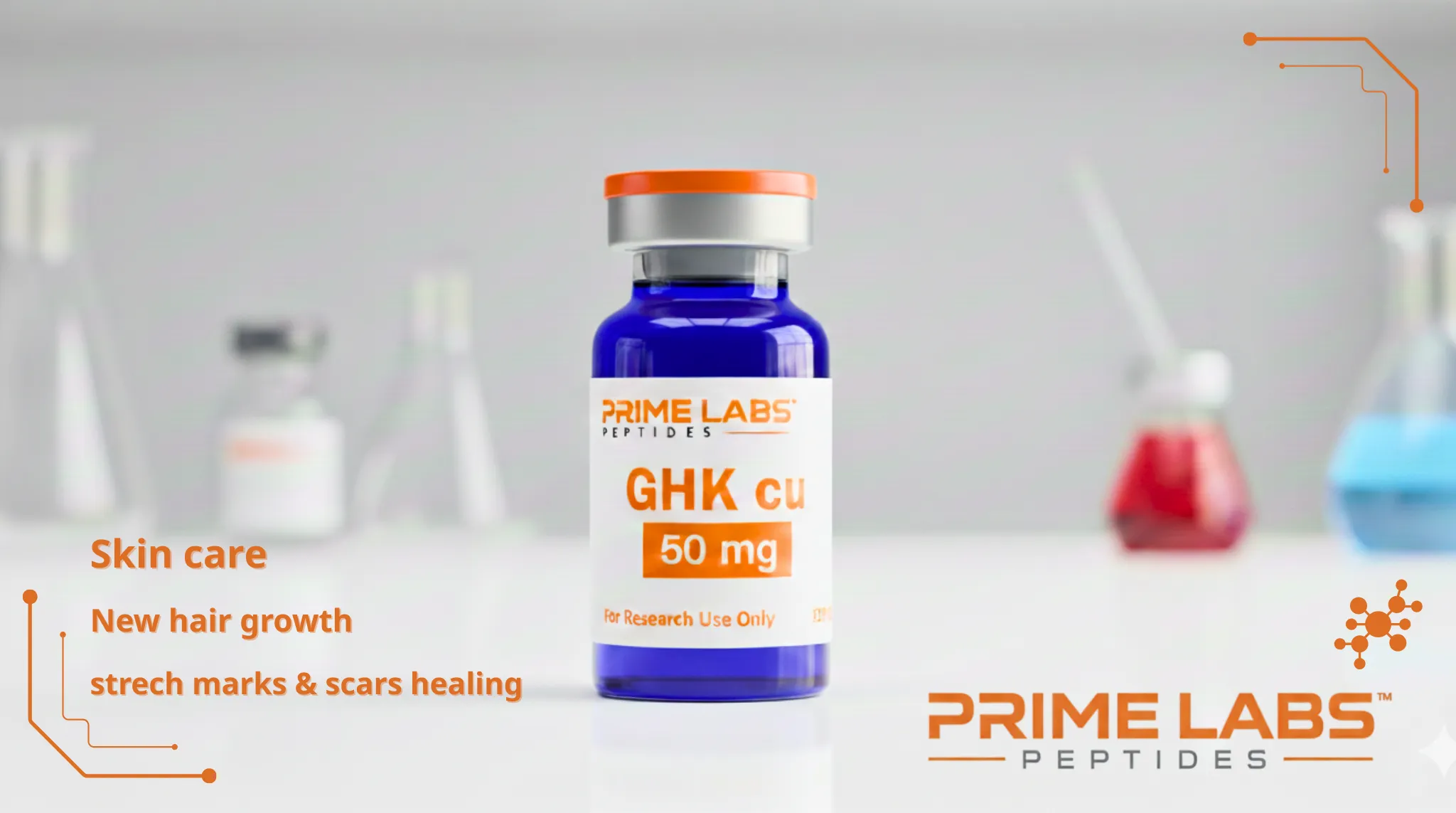
GHK-Cu
A naturally occurring copper-binding tripeptide studied extensively for its role in tissue remodeling, wound repair, collagen synthesis, and anti-inflammatory signaling.
BPC-157 + TB-500
A combination of two extensively studied tissue repair peptides — BPC-157 (gastric pentadecapeptide) and TB-500 (Thymosin Beta-4) — for comprehensive cellular recovery research.
IGF-1 LR3
A modified analog of IGF-1 engineered for enhanced biological stability and prolonged activity through structural modifications that reduce binding protein affinity.
NAD+
Nicotinamide adenine dinucleotide — a critical coenzyme present in every living cell, essential for energy metabolism, DNA repair, and cellular signaling pathways.
PT-141
A synthetic peptide analog of alpha-MSH that acts on melanocortin receptors in the central nervous system, studied for its role in modulating physiological arousal pathways.
SS-31
A cell-permeable tetrapeptide that selectively concentrates in the inner mitochondrial membrane, targeting oxidative stress at its source to protect mitochondrial function.
SLU-PP-332
An experimental small molecule that activates Estrogen-Related Receptors (ERR), regulating cellular energy metabolism, mitochondrial activity, and oxidative capacity.
5-Amino-1MQ
A small-molecule inhibitor of nicotinamide N-methyltransferase (NNMT), an enzyme implicated in metabolic regulation, adipocyte differentiation, and energy expenditure pathways.
KPV
A naturally derived tripeptide (Lys-Pro-Val) from alpha-MSH with potent anti-inflammatory properties, studied for its ability to modulate NF-kB signaling and inflammatory cascades.
GHK-Cu + Hyaluronic Acid Serum
A topical formulation combining the regenerative properties of GHK-Cu copper peptide with hyaluronic acid for enhanced skin hydration, collagen support, and tissue renewal.